Guide
Layered Gun Storage — Safe, Lockbox, and Concealment That Work Together
How to pair a bolted residential safe with quick-access lockboxes and sensible concealment—without treating any single product as a complete plan.
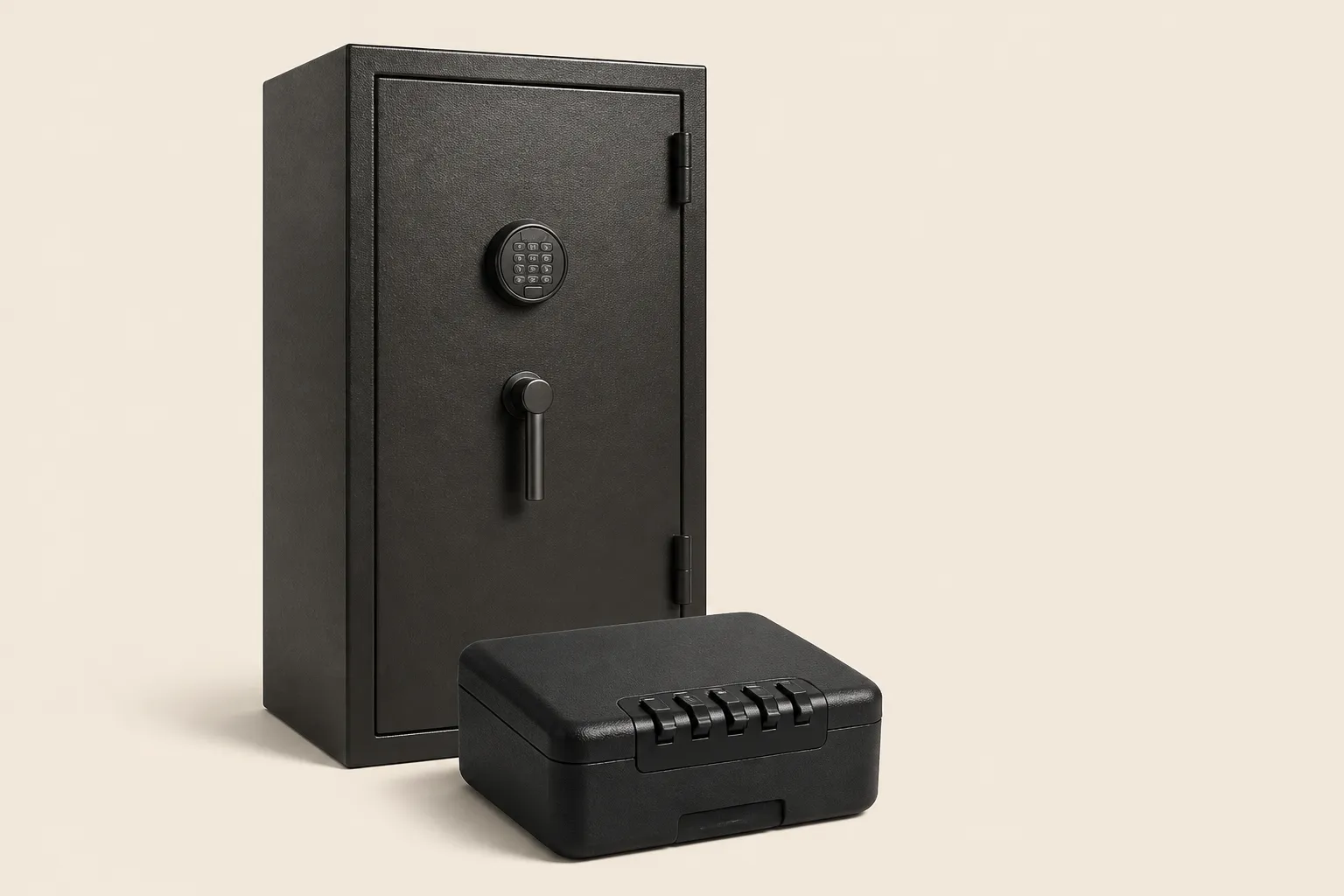
One product rarely covers every job
A residential gun safe is archival control. A lockbox is authorized speed. Concealment is delay through obscurity. Those are three different tools. Stacking them on purpose beats arguing that one box should do everything.
Most failed setups share a pattern. Everything lives in one place. Or the fast-access piece is unlocked because the big safe feels slow. Or a cable lock on a closet rail stands in for a real door and bolts.
Write the jobs first. Then match hardware.
- Keep unauthorized household members out of long guns, ammo, and documents
- Delay opportunistic theft
- Buy time in a residential fire when that risk matters
- Let authorized adults reach a defensive handgun without a long dial ritual
- Avoid advertising the plan from a driveway or a social post
Those jobs conflict. That's normal. Layering is how you stop asking one product to lie about what it is.
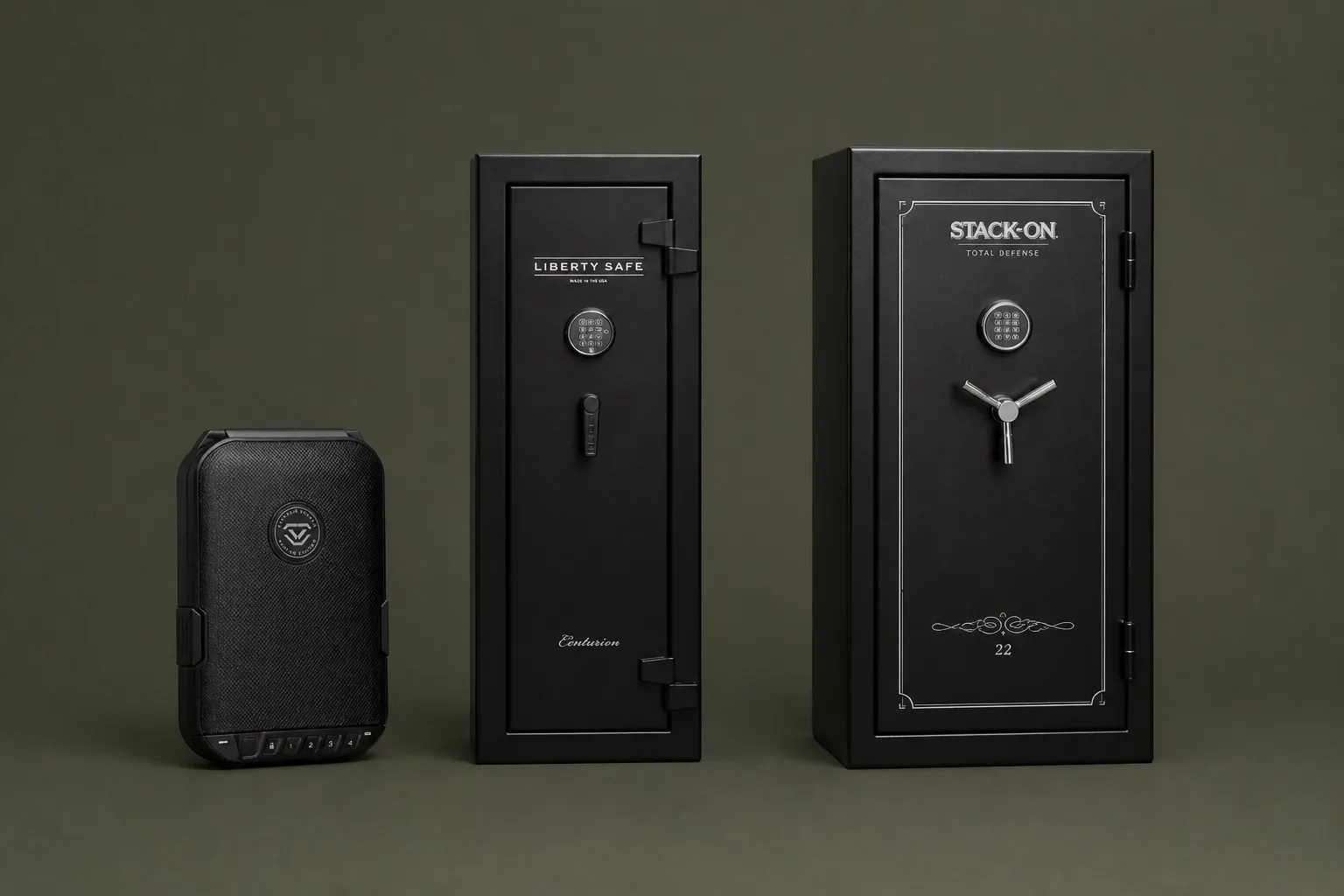
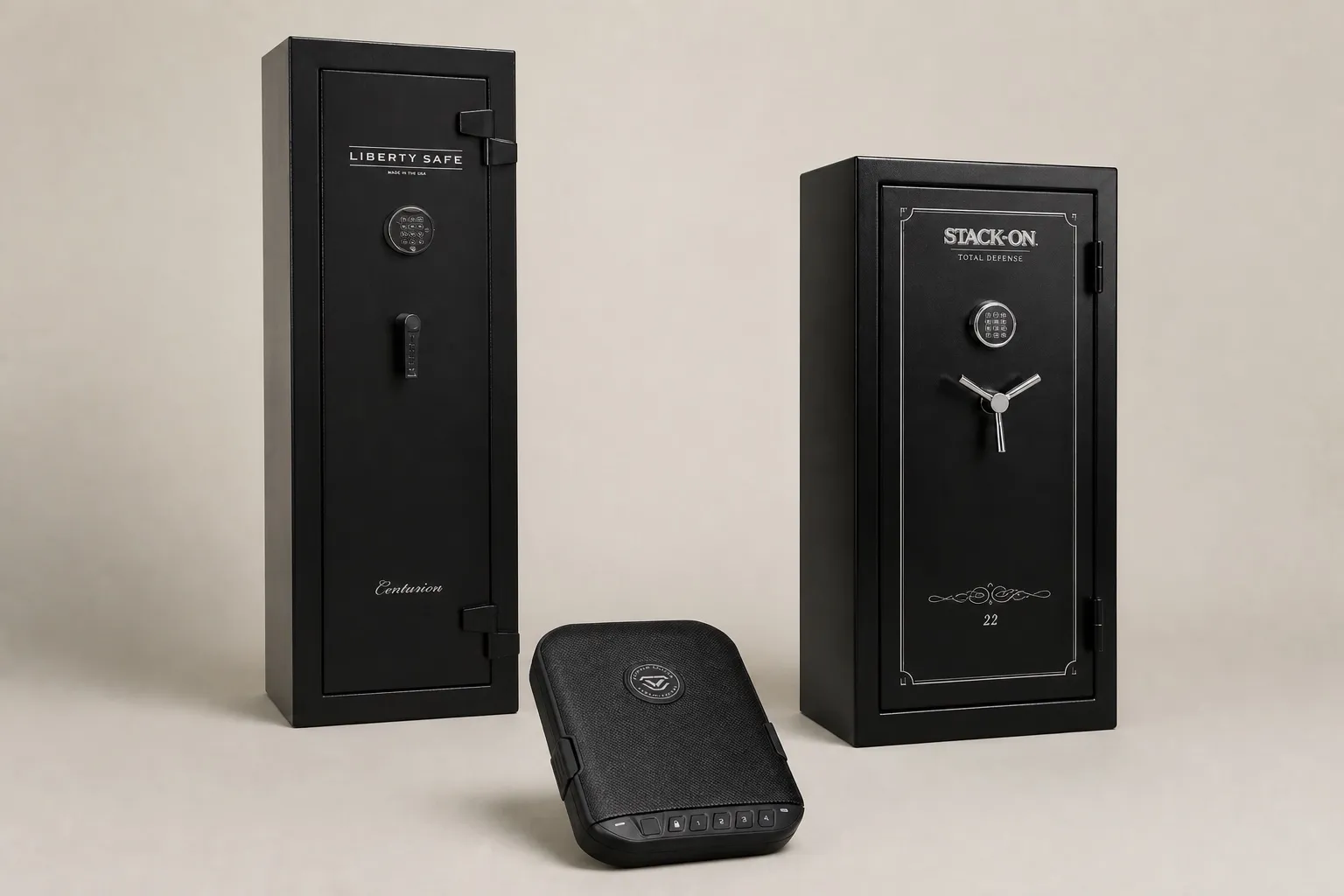
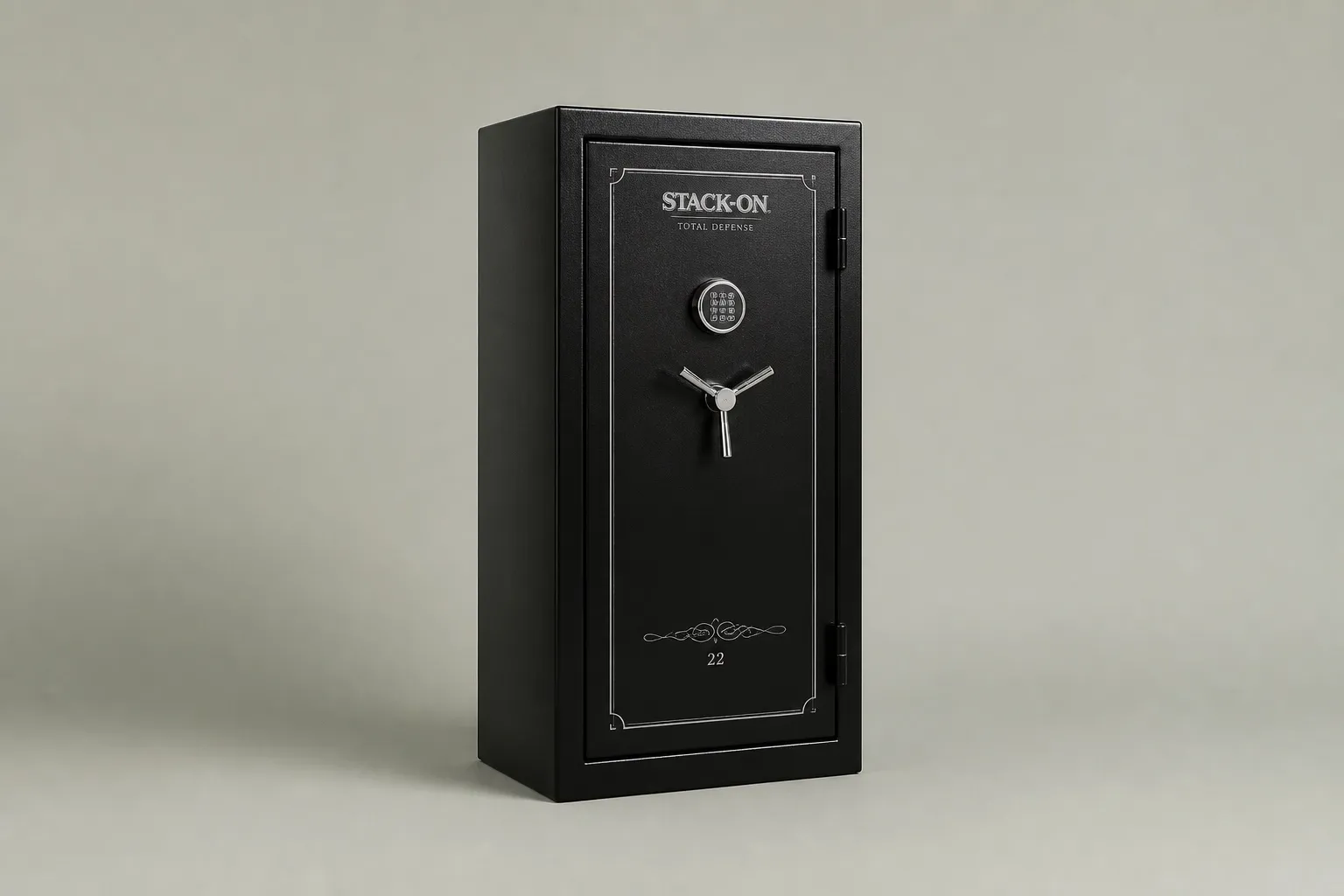
Layer 1 — the bolted residential safe
This is the archive. Long guns. Bulk ammo. Irreplaceable paper you still keep at home. The unit that should stay closed most of the week.
What belongs here:
- Rifles and shotguns that don't need second-count access
- Spare magazines and ammo cans that shouldn't live on a nightstand
- Documents you refuse to leave in a desk drawer
What doesn't belong here alone:
- The only defensive handgun authorized adults must reach under stress, if opening this safe takes too long
- Anything you open so often that the door spends half its life ajar
Placement and bolts
Put the safe where removal is expensive. Interior closet on a slab. Structural wall. Away from garage windows that invite a two-person walkout.
Weight helps. Bolts matter more. An unanchored “heavy” safe is still a crew-and-dolly problem. Anchor kits into wood or masonry rated for the load. Do it the day the unit lands—not after you've filled it.
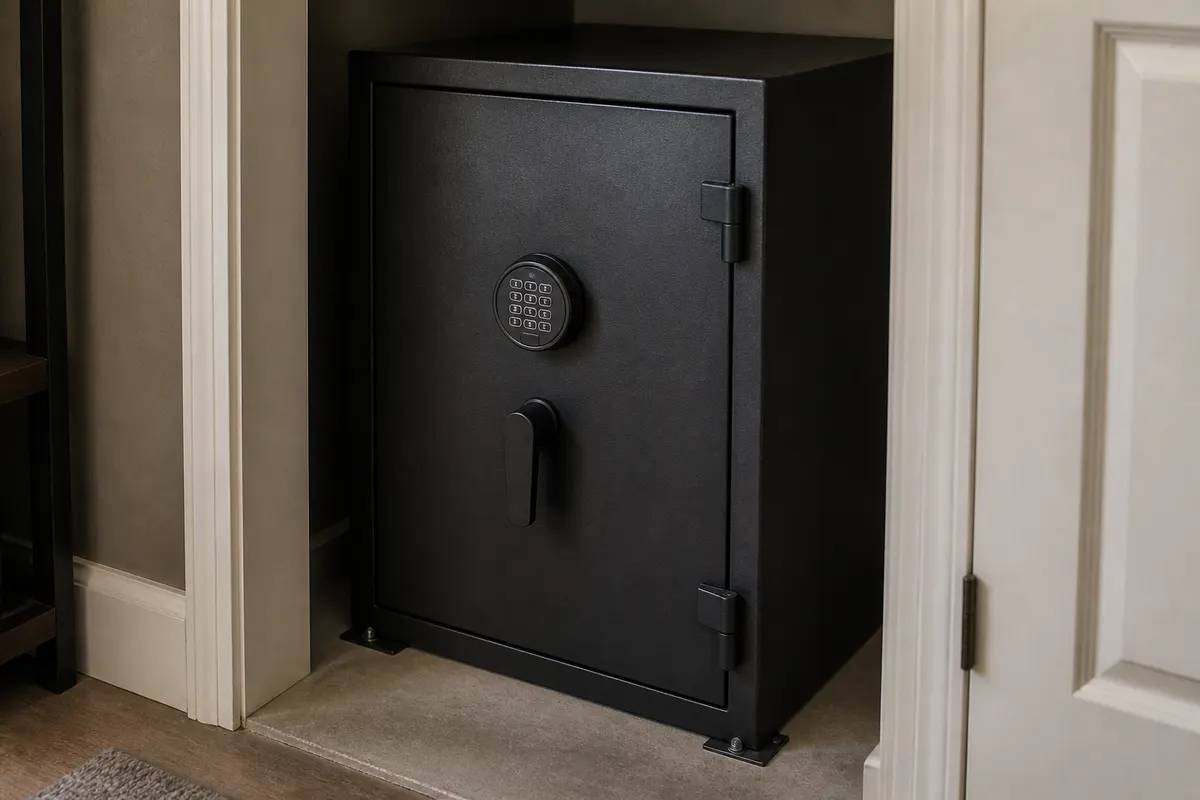
Fire claims are relative lab numbers. Useful for comparing products. Not a promise about your floor plan. Keep the door clear so it can latch. Don't store the only copy of critical paper next to solvents.
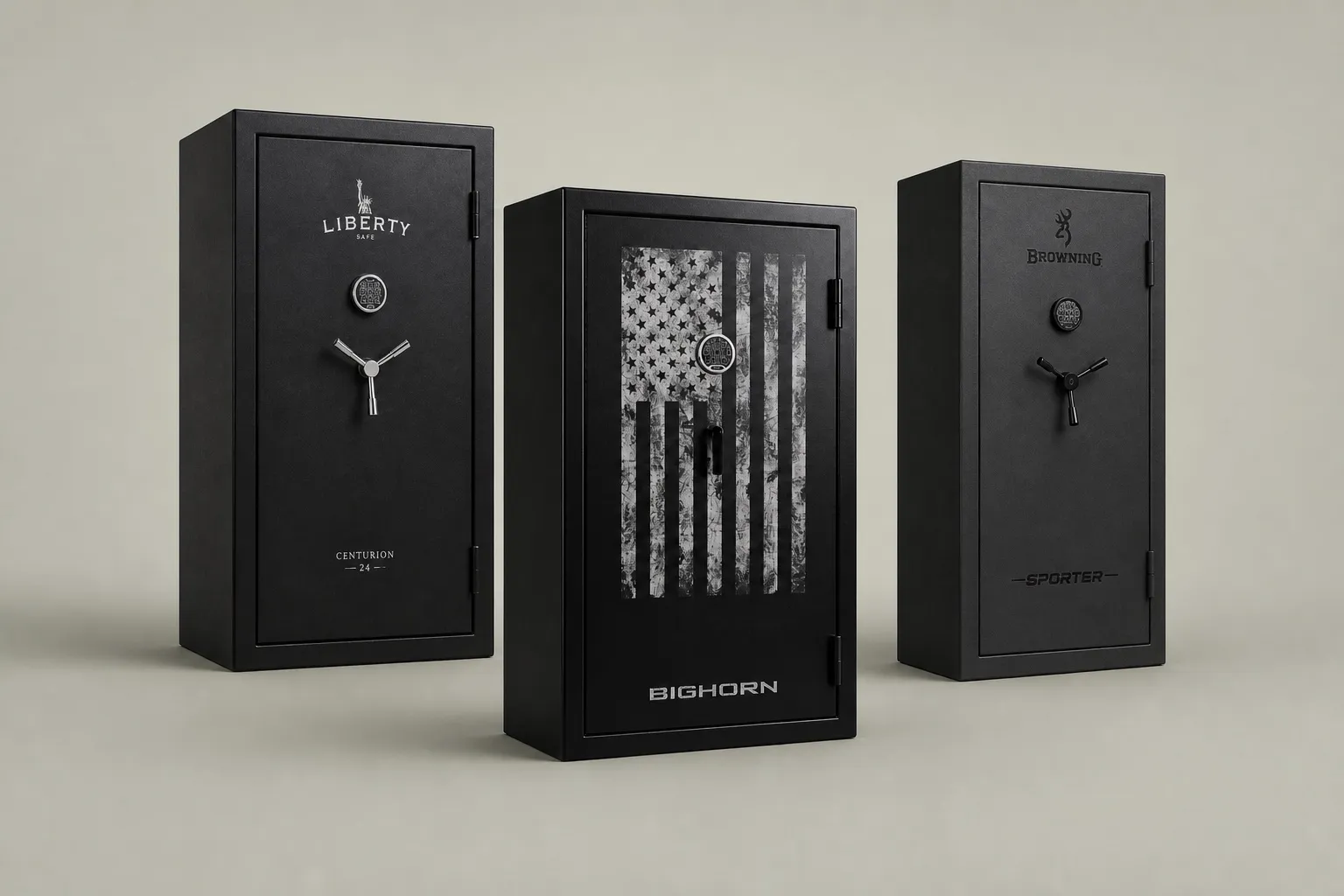
For how we shop residential steel—fire minutes, gauge talk, capacity honesty—see How to Choose a Gun Safe and the mid-tier or budget roundups.
Access discipline on the archive
Change factory codes. Store override keys offline. Put keypad batteries on a calendar. Limit who knows the combination to people who should open this layer.
If kids or guests share the house, the archive stays locked when you're not actively using it. Hiding the key under the same shelf defeats the door.
Layer 2 — quick-access lockbox or wall locker
This layer answers a different question: what can authorized adults open quickly while unauthorized hands stay out?
Two common shapes:
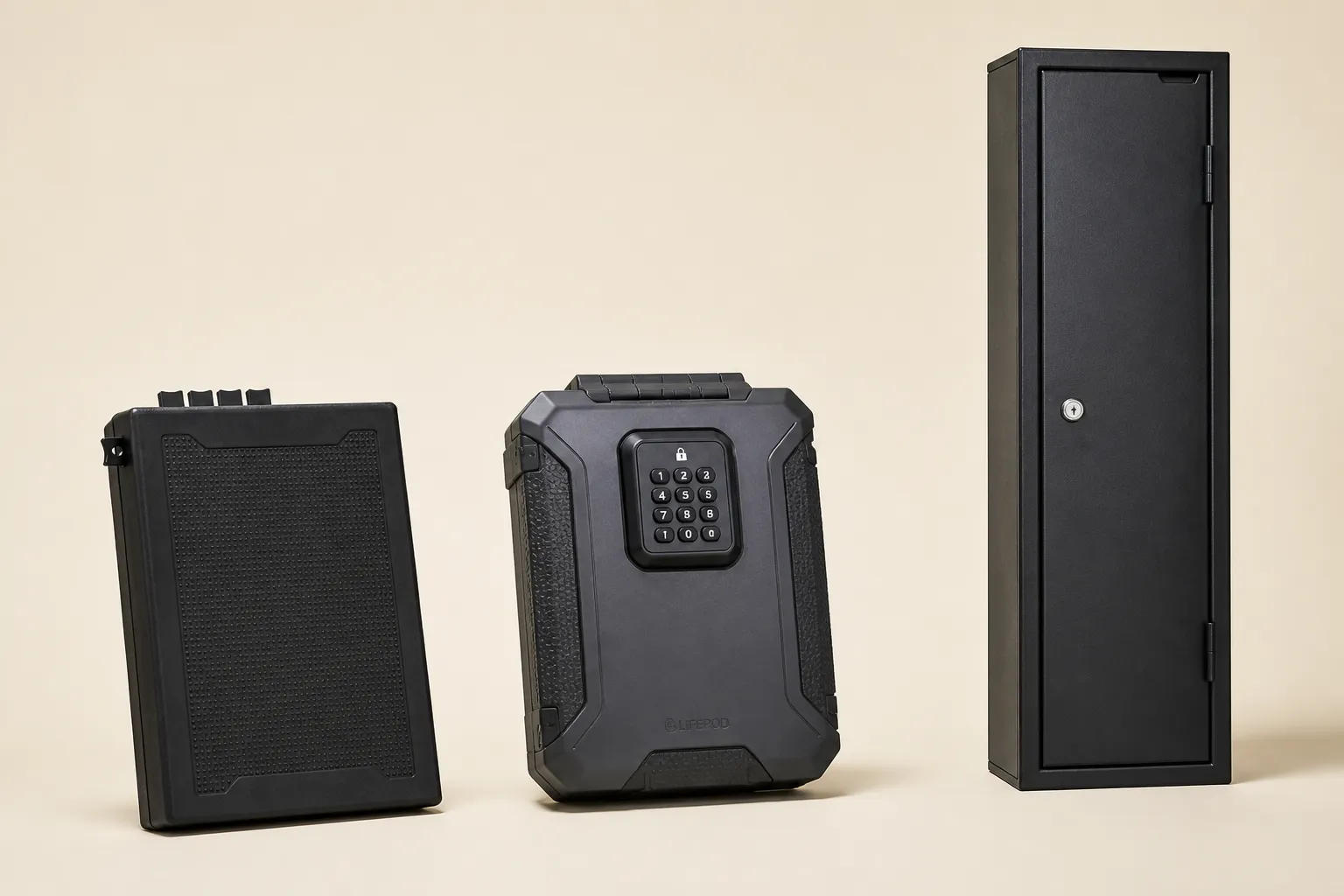
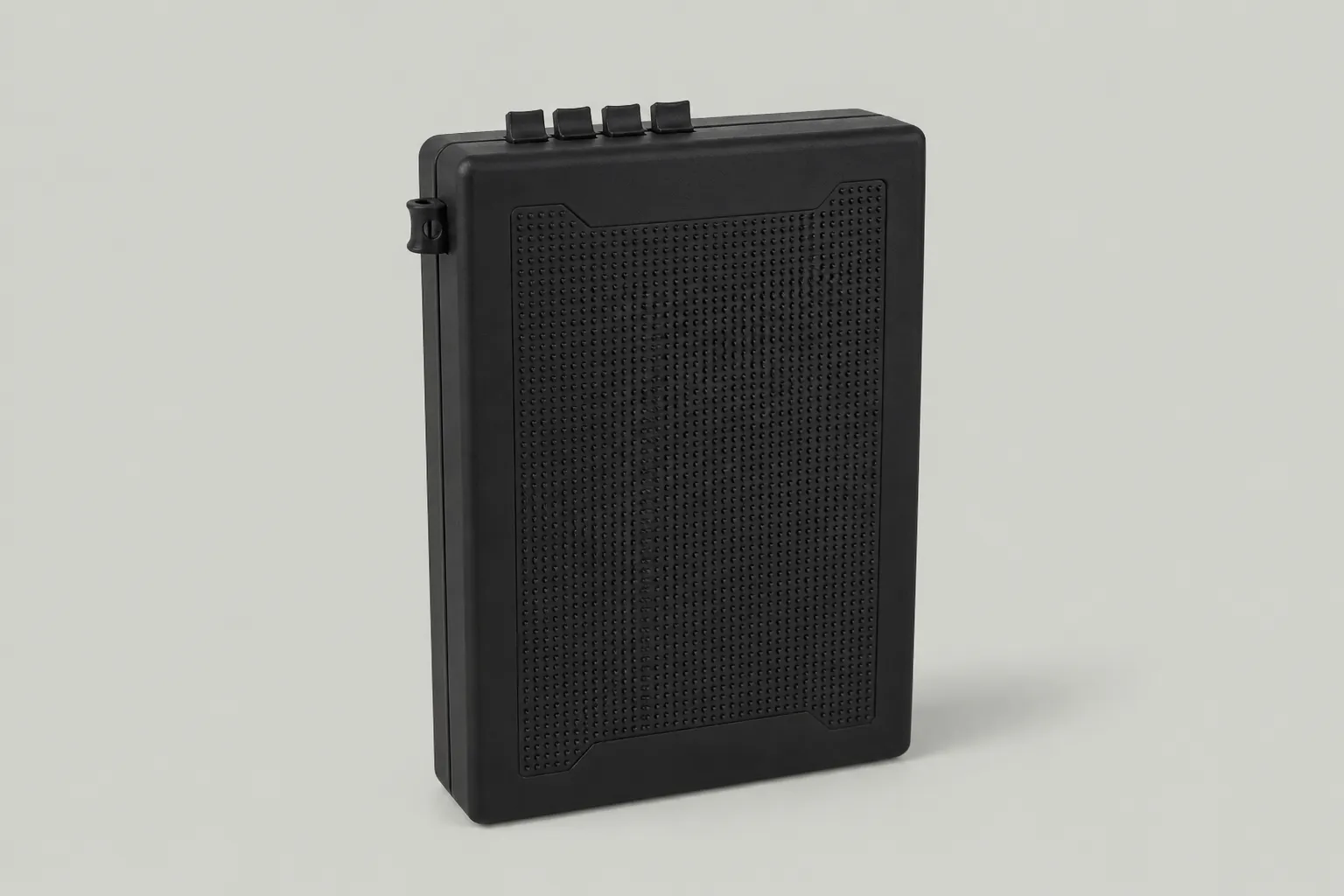
- Portable lockbox (mechanical or biometric/keypad) for a handgun near the bed, in a bag, or cabled in a vehicle
- Wall-mounted long-gun locker when the defensive tool is a rifle or shotgun that shouldn't live in a packed cavity safe
Neither replaces Layer 1. Both fail as the only storage for a whole collection.
Handgun lockboxes
Mechanical boxes skip batteries and keypad chirps. Biometric pods add multi-user enrollment and—when sealed well—better travel manners. Pick the threat and the environment, not the brochure adjective.
Dry-fit your pistol with optic and light before you trust a trip or a nightstand plan. Interior height is usually the limit.
Cable the box when grab-and-run is real. Nightstand, truck, closet rail—same rule: out of sight beats on display.
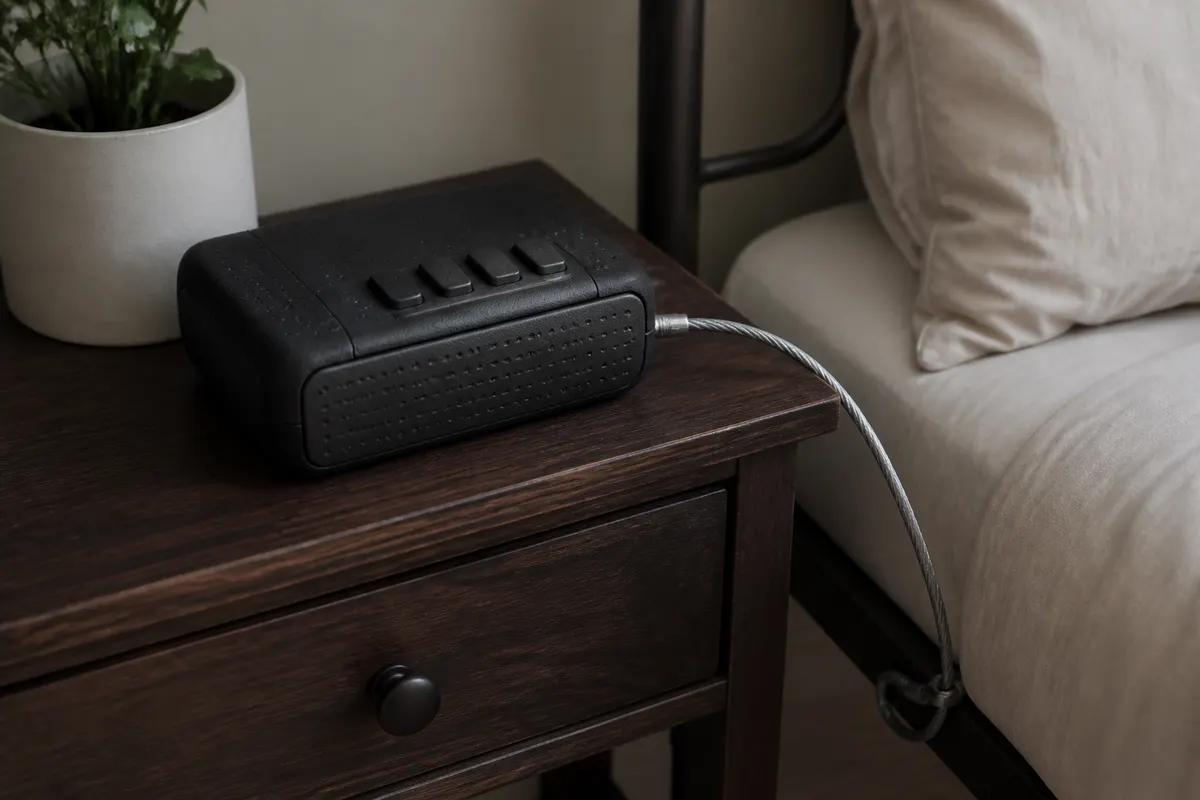
Products we've covered in this lane:
- StopBox Pro — mechanical, USA-made retention, not a fire vault
- Vaultek LifePod 20 Biometric — portable, weather-minded, battery discipline required
For the wider map, see Best Quick-Access Gun Safes & Lockboxes.
Wall lockers for long guns
A wall locker is for a short home-defense long-gun battery that needs a fixed home and faster access than digging through a packed safe. It's still steel delay against casual access—not RSC burglary math and not a fire rating unless the placard says so.
Bolt it. Train the open. Keep archive guns in Layer 1.
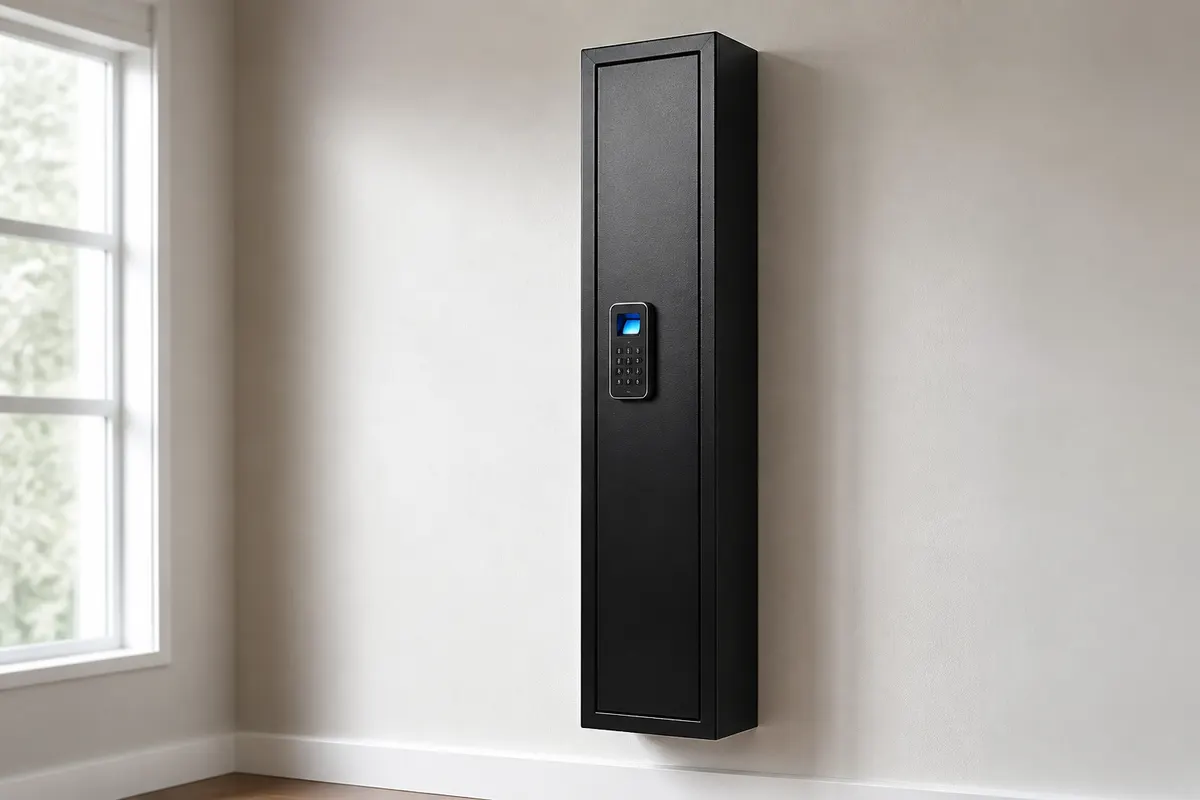
See the SecureIt Agile Model 52 review for how we frame that product class.
Who gets access
Enroll only people who should open Layer 2. Don't treat biometrics like a shared junk drawer. Mechanical codes need the same discipline. If someone shouldn't reach the defensive handgun, they don't get the combination—and Layer 2 doesn't live where unsupervised access is the real threat.
Layer 3 — concealment (with eyes open)
Concealment is not a lock. It's friction. It buys seconds against a casual searcher and reduces advertising. It does not replace bolts, doors, or codes.
Useful concealment:
- Lockbox behind ordinary clutter on a closet shelf
- Safe in an interior closet, not framed by a street-facing window
- No “new safe day” posts that leak address metadata
Useless concealment:
- Unlocked pistol in a sock drawer “because nobody looks there”
- Cable lock alone on a rack in an open garage
- Furniture “diversion” safes that advertise themselves as novelty storage
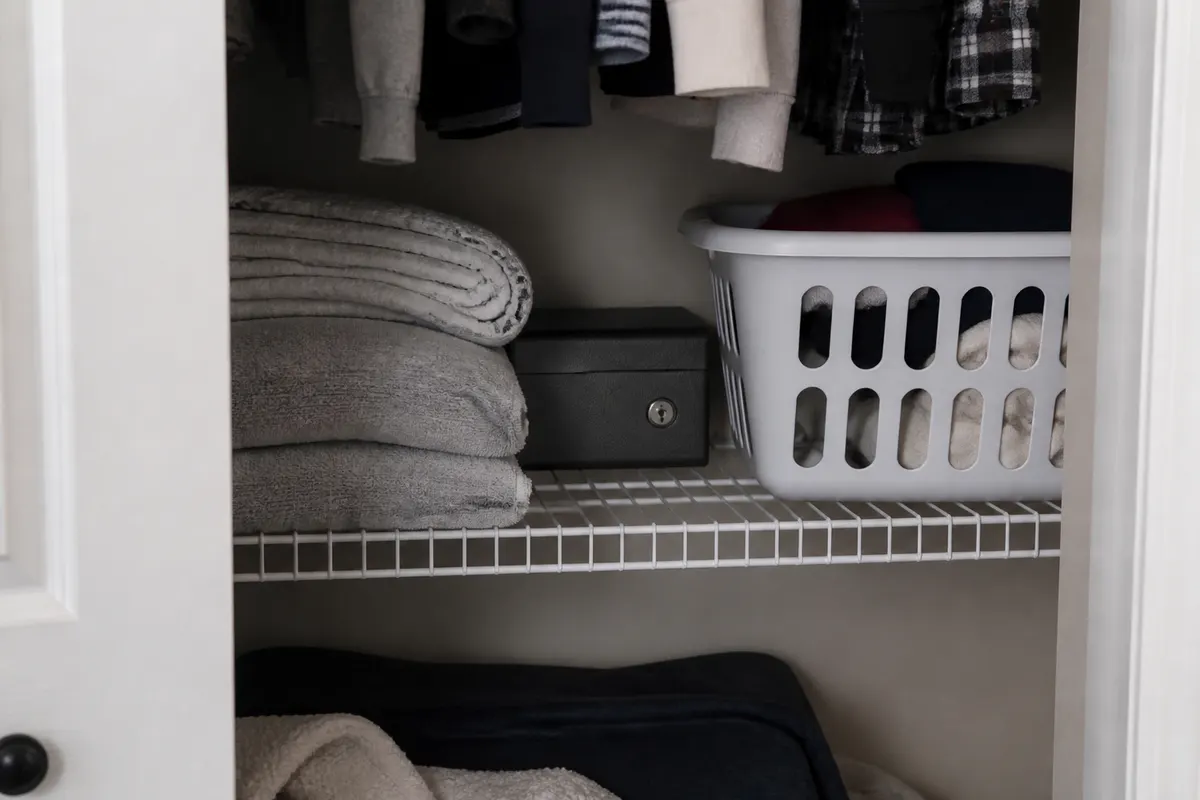
Use obscurity on top of locked hardware. Never instead of it.
Diversion products and fake-book lockboxes can supplement a lockbox for guests who poke around. They don't survive a determined search, and they don't buy fire time. Treat them as optional camouflage for Layer 2—not as Layer 1.
Example setups that hold together
Apartment or small house
- Bolt a slim residential safe (Centurion-class footprint) in a closet
- Cable a mechanical or biometric lockbox for the defensive handgun
- Keep the safe off social media; keep the lockbox out of sight
Don't skip the safe because the lockbox feels “enough.” Don't skip the lockbox because the safe is “secure.”
House with kids or frequent guests
Layer 1 stays locked by default. Layer 2 sits where authorized adults train the open—and where unsupervised hands don't. Codes and enrollments match the household roster, not wishful thinking.
Travel and vehicles
The portable lockbox moves. The residential safe stays home. TSA-oriented marketing and airline rules are not the same thing—confirm declaration procedures and locked-container requirements for the trip you're actually taking. Cable the box out of sight in a vehicle. A case on the seat is advertising.
Long-gun-focused home defense
Archive hunting guns in the bolted safe. Keep the defensive long gun in a wall locker you bolt and train. Handgun lockbox still earns a place if a pistol is part of the plan.
What not to do
- One unlocked “quick” handgun plus a full safe of everything else you never open carefully
- Three gadgets and no bolted archive
- Fire rating as a substitute for placement
- Manufacturer gun counts as a packing list in the optics era
- Teaching every adult in the house every code “just in case”
Buying order when money is tight
- Secure the handgun that is most accessible right now (lockbox-class tool)
- Bolt a residential safe for long guns and documents
- Add a wall locker only if a long gun is the primary home-defense tool and needs its own station
That order stops a common failure: rifles in a flimsy cabinet while the nightstand stays unlocked.
If you're still choosing the archive safe itself—fire minutes, steel talk, doorway math—use How to Choose a Gun Safe before you spend Layer 1 money.
Maintenance is part of the layer
Hardware fails quiet. Codes get forgotten. Batteries die. Bolts loosen on wood that compresses.
Once a year, walk the plan:
- Open Layer 1 and Layer 2 for real—not just glance at them
- Replace keypad or lockbox batteries on a schedule, not after failure
- Confirm override keys still exist offline
- Re-check anchors after the first month on new wood installs, then yearly
- Dry-fit again when you change optic, light, or holster cut
Travel changes the map. Before a trip, confirm the portable box still closes on the gun you're packing and that airline/state rules for that route are current.
Legal and household reality (short version)
Hardware is not a jurisdiction. Transport rules, vehicle storage rules, and rules when prohibited persons are present vary. California DOJ-approved firearm safety device labels (on compliant configs) are regulatory marks, not a substitute for keeping doors closed and codes controlled.
Teach the household the plan that matches the roster. Not every adult needs every code. Guests don't need a tour of Layer 2.
What not to do
- One unlocked “quick” handgun plus a full safe of everything else you never open carefully
- Three gadgets and no bolted archive
- Fire rating as a substitute for placement
- Manufacturer gun counts as a packing list in the optics era
- Teaching every adult in the house every code “just in case”
- Treating concealment furniture as a safe
Keep the plan honest
Walk the house. Codes still known? Batteries fresh? Bolts tight? Dry-fit still clear with the optic and light you actually carry? Household roster unchanged?
Affiliate links on this site may earn a commission at no extra cost to you. They don't buy placement in how we describe the layers.
Layered storage isn't a product SKU. It's a decision to stop asking one door to be archive, nightstand, and travel case at the same time.