Guide
How to Choose a Gun Safe (Without Getting Played by Marketing)
Practical buying guidance on threat models, fire ratings, lock types, capacity, bolting and delivery, budgets, and how to layer residential safes with quick-access lockboxes.
Define the job before you read the brochure
Gun safe purchases go wrong when shopping starts with the gun count printed on the box. Start with the jobs instead.
- Keep unauthorized household members out
- Delay theft enough that opportunistic removal fails
- Buy time during a structure fire
- Limit damage from standing water or a wet basement
- Allow authorized adults fast access to a defensive handgun
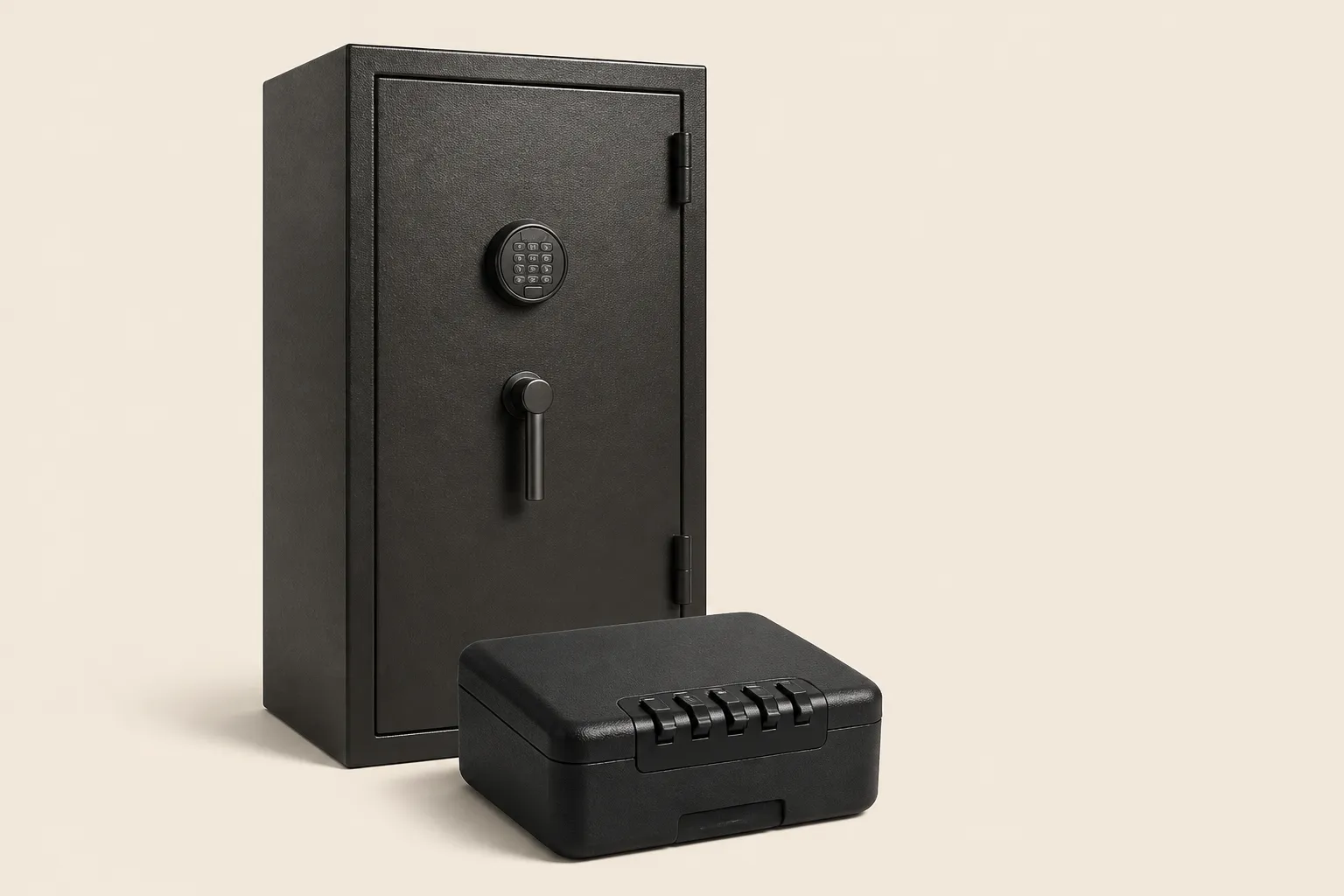
Those jobs conflict. A 500 lb fire-lined safe with a mechanical dial is strong archival storage and a poor nightstand plan. A biometric portable lockbox is strong for travel and layered access and a poor place to archive five rifles and property documents.
Write down your top two jobs. Every other feature becomes a negotiation against weight, width, price, and install complexity. If you can't name the jobs in one sentence each, you're not ready to compare SKUs.
Threat models
Household unauthorized access
Children, guests, or shared housing in daily life? Locked storage beats hiding. Hiding fails when someone cleans, rearranges, or searches. Locks fail less often when you use them consistently and keep codes and keys under control.
Separate “locked” from “reachable under stress.” A bolted long-gun safe that takes thirty seconds to open may be correct for hunting rifles and wrong for a defensive handgun that authorized adults must reach quickly. That tension is why layered storage exists: one product for archive control, another for authorized speed.
California DOJ-approved firearm safety device status (on compliant configurations of many residential safes and lockboxes) is a regulatory label, not a substitute for placement discipline. The device still has to be closed, locked, and used. State rules on transport, vehicle storage, and storage when prohibited persons are present vary; hardware compliance doesn't equal legal compliance in every jurisdiction you visit.
Theft
Weight raises the cost of grab-and-run removal. Floor bolts raise it further. Location usually matters most: an interior structural wall or closet on a slab beats a garage with a window and thin drywall. Residential gun safes are delay devices. They aren't theft-proof against a prepared crew with time, tools, and a van.
Practical theft delay comes from the combination of:
- Anchors into wood framing or masonry rated for the load
- A door and bolt pattern that resists casual prying
- Placement that isn't visible from the street or driveway
- Avoiding public posts that leak address metadata with a new-safe unboxing photo
Attack surface isn't only the lock. Pry points at the door edge, hinge exposure (external hinges have tradeoffs in fire design versus attack geometry), thin body panels that flex under leverage, and an unanchored base that lets the whole unit tip or drag all matter. A heavy safe on carpet with no bolts is easier to defeat than a lighter safe screwed into a slab closet.
Opportunistic theft during work hours? A bolted entry residential safe is a large step up from a cable lock. Targeted crew with grinders and a lift gate? You're shopping TL-oriented equipment and a different budget. Stickers that say “military grade” don't bridge that gap.
Fire
Manufacturer minute ratings are lab protocols run to a published temperature and duration. Useful as relative signals between products. Not guarantees about your house fire.
Read a rating as three parts: duration, temperature, and test conditions. A claim of “30 minutes at 1,200°F” isn't the same as “45 minutes at 1,400°F,” and neither matches “80 minutes at 1,550°F.” Higher temperature for longer duration is a stronger signal—still inside a furnace protocol, not your floor plan.
Examples from products we cover:
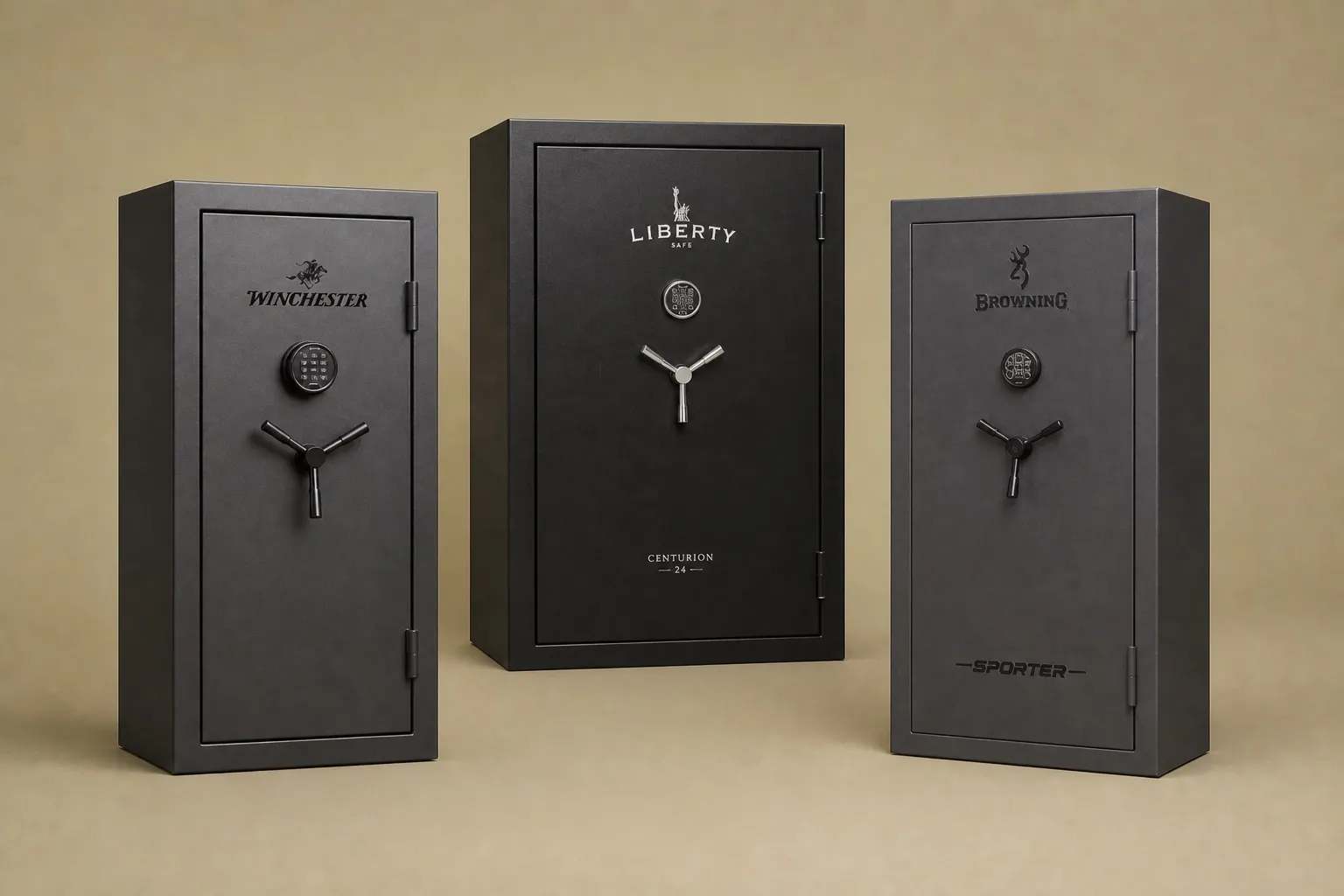
- Liberty Centurion 12: 30 minutes / 1,200°F Cool Box with Palusol seal
- Liberty Centurion 24 / 32: 40 minutes / 1,200°F Cool Box
- Winchester TS26-45: 45 minutes / 1,400°F
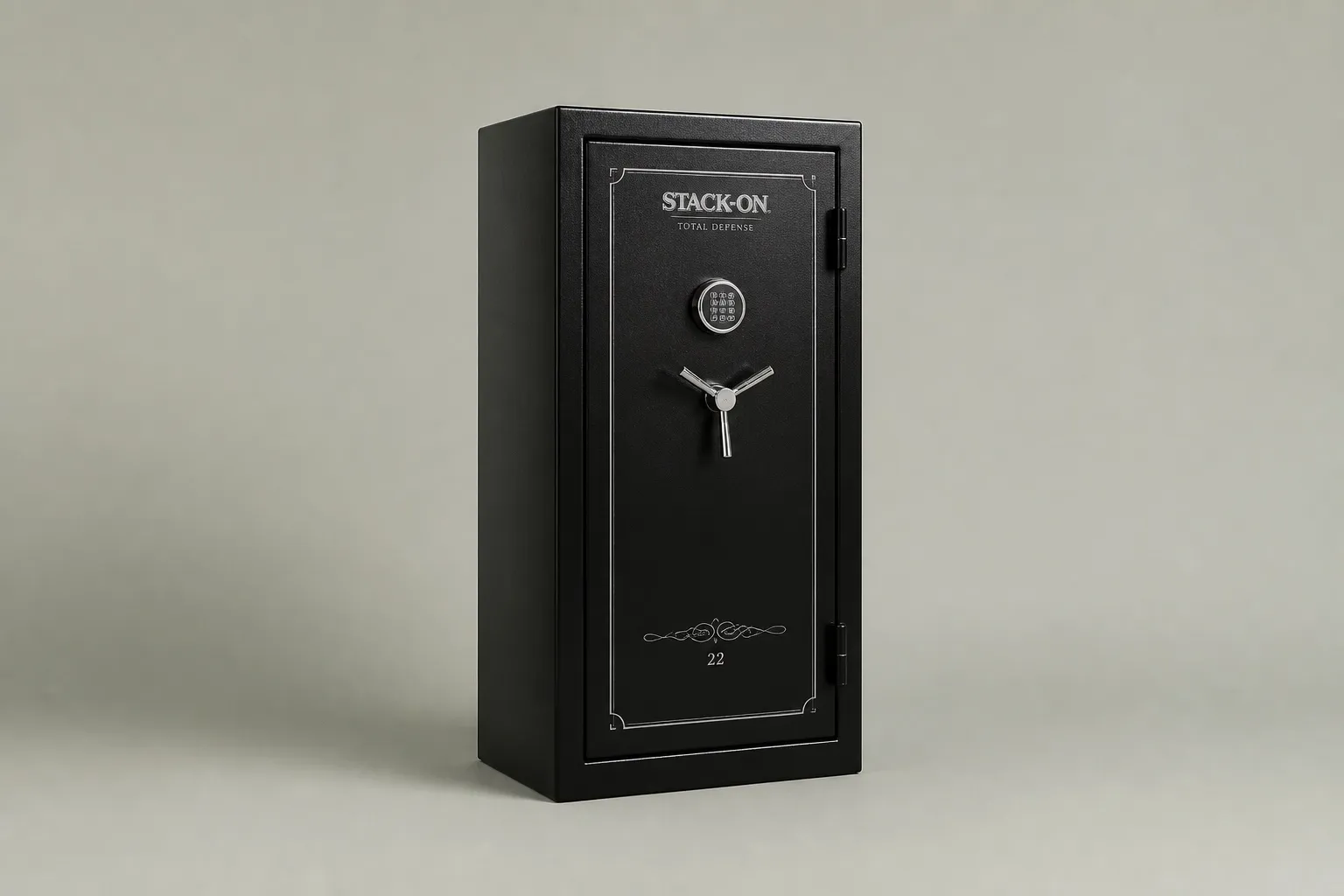
- Stack-On Total Defense line marketing: up to 75 minutes / 1,400°F (confirm the placard on your SKU/year)
- Browning Sporter SP23: 95 minutes / 1,200°F and 80 minutes / 1,550°F ThermaBlock
What the rating usually includes:
- Fireboard or proprietary insulation in walls, ceiling, and door (thickness often differs by face—ceiling and door may be thicker than sides)
- An expanding door seal (often Palusol) that closes gaps as heat rises
- A closed, latched door during the test
- In many waterproof or fire-and-water lines, a bolted floor interface so the body and gasket stack match the tested assembly
What the rating doesn't include:
- Your exact fuel load, ventilation, or firefighter arrival time
- Surviving solvents, pressurized cans, or ammunition cook-off inside the box
- Irreplaceable documents with no off-site copy
- Protection if the safe sits against an exterior garage wall that fails early
Placement still matters for fire. An interior closet on a lower level generally sees a different heat timeline than a metal shed or an uninsulated garage exterior wall. Keep the door clear of clutter that blocks latching. Don't store the only copy of critical documents next to CLP and aerosol solvents.
ETL or manufacturer placards can change by generation. Match the label on the unit you buy, not a blog screenshot from three model years ago.
Water
Waterproof marketing on residential safes usually assumes correct floor bolting and gasket hardware. Manuals for lines such as Total Defense state that shipping skids must come off and specified anchors must go in, or the rating doesn't apply as tested. Claims such as multi-day resistance in shallow standing water (for example, up to 2 feet for 72 hours on some Total Defense marketing) are assembly ratings—not submarine ratings.
Ignore the install notes and you void the claim. Sealed boxes can also float and tip in rising water. Anchoring is both a theft control and a stability control in flood scenarios.
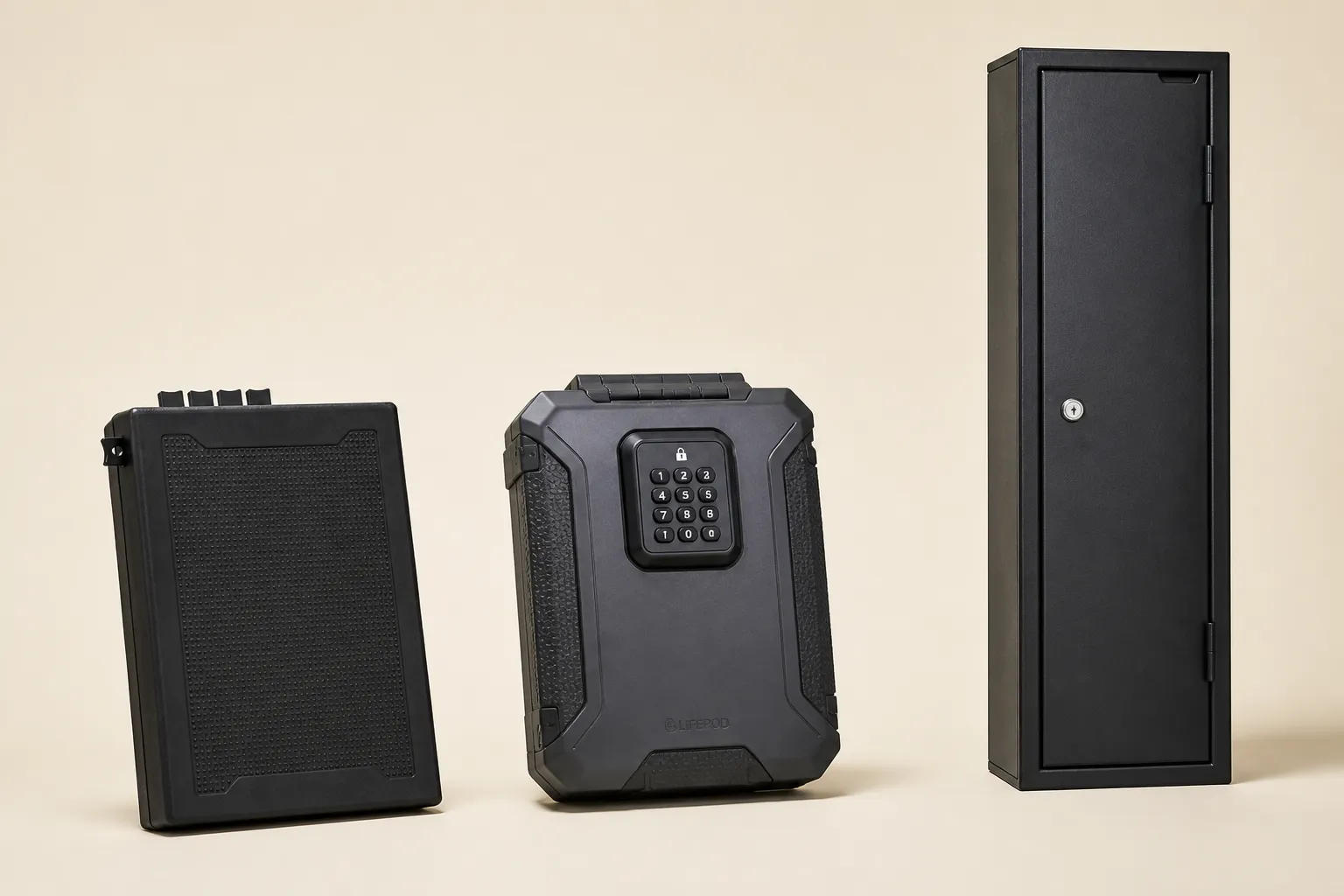
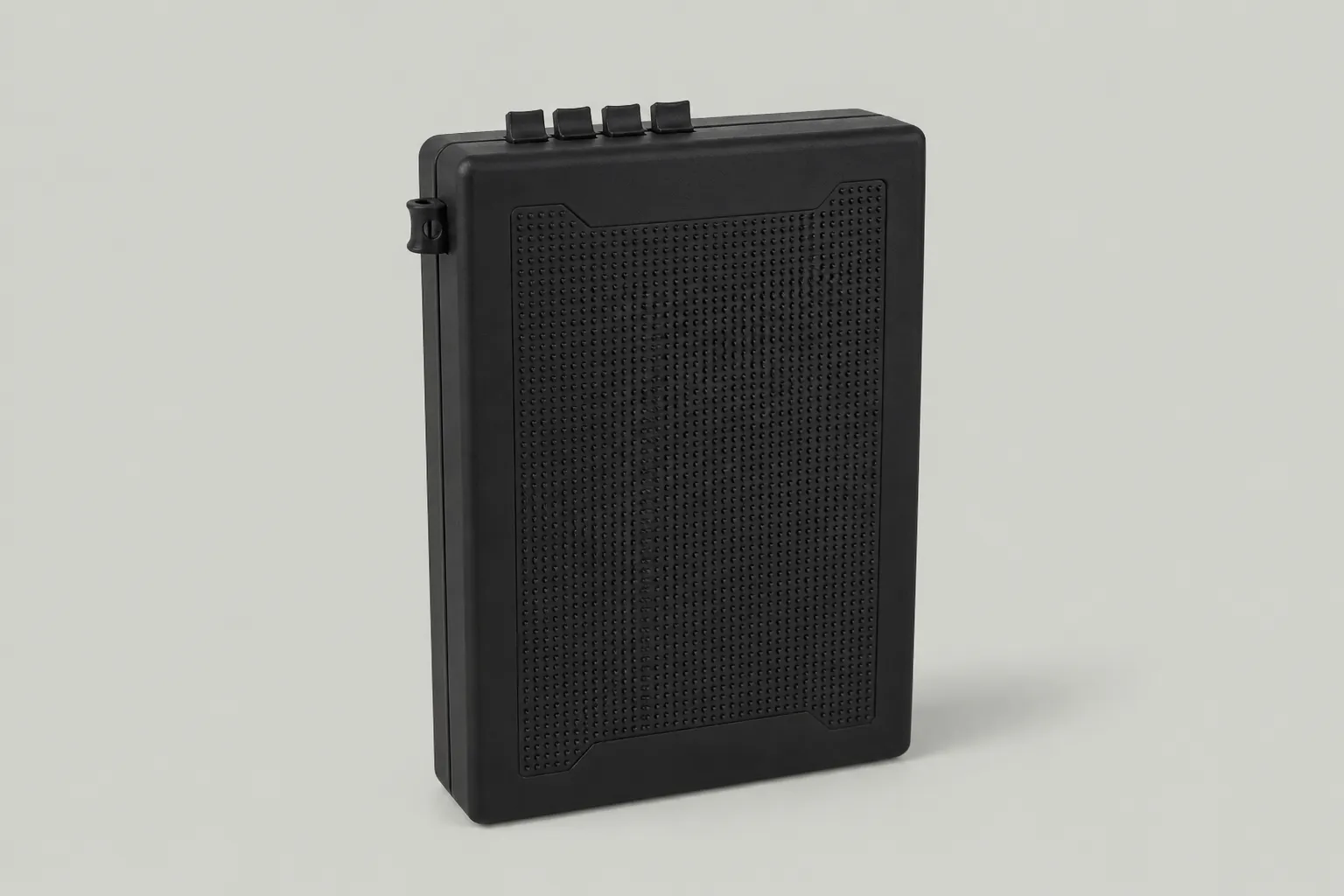
A portable polymer lockbox with compression latches and a gasket (LifePod class) is useful for weather, dust, splash, and vehicle humidity. It floats by design. That's a travel and field advantage, not a substitute for a bolted residential safe in a flood-prone basement.
Capacity planning that survives optics
Manufacturer gun counts assume friendly barrels, slim forends, and scopes that don't collide. Plan instead like this:
- Count what you own as stored—lights mounted, optics on, magazines inserted or not
- Add 30–50% headroom for future purchases and awkward geometries
- Decide what must live in the primary safe versus a secondary lockbox or a shelf bay
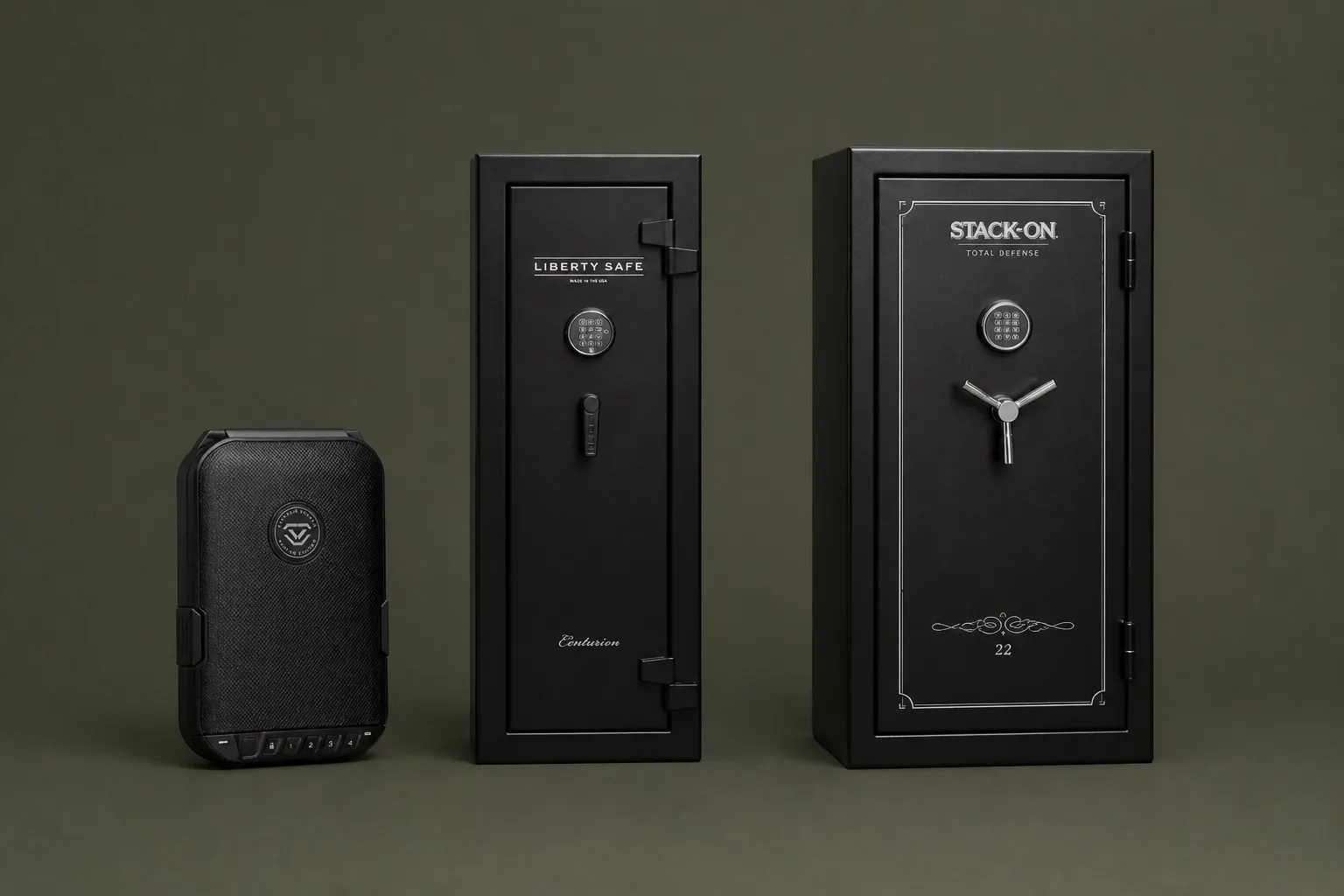
Interior depth is often the binding constraint. A Centurion 12's roughly 10" interior depth teaches that lesson quickly. A Centurion 24's 13.5" depth and dual-flex interior forgive more. A Total Defense 22's convertible layout (full guns, mixed, or all shelf) absorbs collection shifts—until MSRs with optics occupy every barrel rest and the shelves disappear. Full-size value boxes in the Winchester TS26-45 class advertise high gun counts with roughly 14.7" interior depth; that helps, but optics and side-charging handles still negotiate.
Also account for:
- Barrel length and overall height against interior height (suppressors, muzzle devices, folding stocks)
- Door organizers that claim pistol slots but block long-gun extraction if overloaded
- Ammo cans and document boxes that consume shelf volume faster than rifle count implies
- The difference between “fits” and “fits without scraping finishes every time you remove a neighbor”
Door organizers and aftermarket pistol racks reclaim usable volume when used with discipline. Overcrowding scrapes finishes, slows access, and defeats organized storage. If the sticker says 26 guns and you own twelve optics-heavy rifles, believe the optics.
Steel, gauges, doors, and security labels
Thicker body steel and better door construction generally cost more and weigh more. Gauge numbers go down as thickness goes up: 14-gauge common on entry residential safes such as Liberty Centurion; 12-gauge (7/64") on step-up boxes such as the Browning Sporter SP23. Door construction is often a composite stack—steel skin plus fireboard—rather than a solid plate the full catalog depth. Composite doors can help fire performance more than they help against a cutoff wheel; know which threat you're buying against.
Brand “security levels” (Liberty's internal ladder is a common example) are useful inside that brand. They aren't universal law and they aren't UL burglary classifications.
Relevant labels you will actually see:
- California DOJ-approved firearm safety device — meets a state definition for locking storage on compliant SKUs; doesn't equal TL burglary performance
- UL RSC (Residential Security Container) — defined tool-attack resistance for a rated interval; a meaningful step above unlisted value boxes; still not TL-15
- UL TL-15 / TL-30 — tool-resistant vault ratings with weight and construction requirements in a different price and weight universe from most home gun safes
For most homeowners, the leap from unlocked closet to bolted entry safe matters more than debating gauge poetry. When you do step up steel and listings, buy the listing you need—don't invent it from marketing adjectives.
Bolt patterns matter in the residential band: Solid State bars (Liberty), large live bolts around 1.5" on some Total Defense configurations, or multi-side 1" chrome bolts (Browning Sporter, with active bolts on multiple door edges) all raise pry cost relative to toy deadbolts. Drill-resistant hardplate over the lock, relockers that dead-lock under attack, Force Deflector–style cams, and formed or reinforced doors are the vocabulary of a coherent security package. Ask whether those features exist. Don't assume they do because the box is heavy.
Lock types in practice
| Type | Strength | Weakness |
|---|---|---|
| Mechanical dial | No batteries; long service history | Slow under stress; harder for some users |
| Electronic keypad | Fast; convenient for daily use | Batteries, code discipline, occasional module failures |
| Biometric | Fastest authorized access when enrollment is solid | Finger quality, moisture, power, false confidence |
| Keys | Simple backup | Lost, copied, or left in an obvious place |
Mechanical dials remove battery risk. They remain the right choice for archival safes that open infrequently and for users who reject electronics. They're the wrong primary interface for a defensive handgun that must open under stress at night.
Electronic keypads (UL-listed modules such as SecuRam TopLit, and dealer variants such as S&G Spartan on some stock) are the residential default. Treat batteries as consumables on a calendar. Know the override procedure before you need it. Change the factory code the day the safe is placed. Don't reuse a code you use elsewhere.
Biometrics belong where authorized speed matters and enrollment can be maintained—portable lockboxes and some quick-access home boxes. Enroll multiple fingers per authorized adult. Keep the keypad code anyway. Replace power on schedule; many portable units use a 9V with USB backup under a key cover. Don't enroll anyone who shouldn't have access.
Keys are backups, not the daily plan. Store them offline. A key left “somewhere safe” near the box isn't a backup; it's a second attack path.
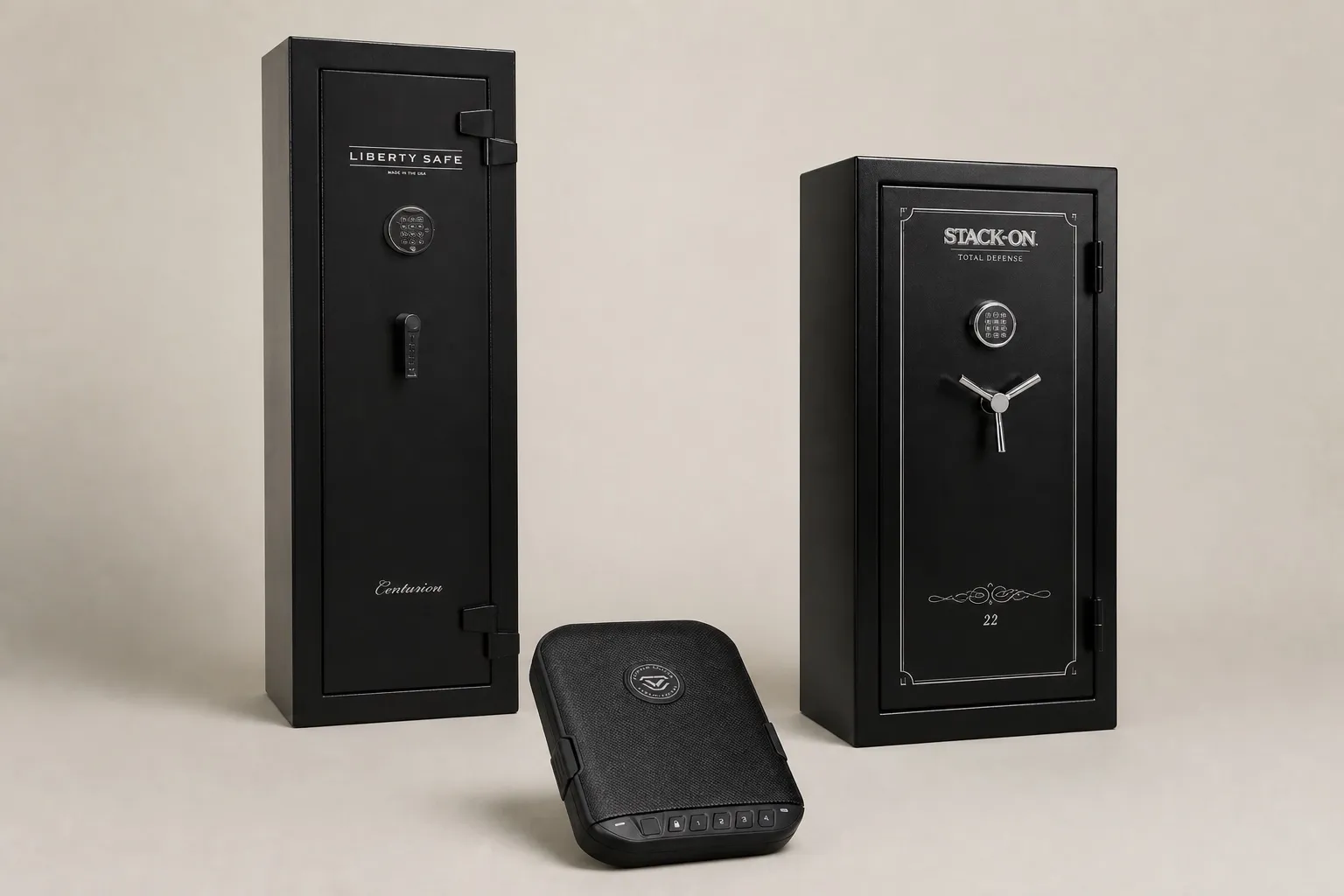
Redundancy is the durable pattern. The Vaultek LifePod 20 Biometric's fingerprint + keypad + keys layout is a useful template for portable tools. Residential electronic locks need the same discipline at larger scale: fresh cells, offline overrides, and a household access list that matches reality.
Placement, delivery, and bolting
Before purchase
Measure the path, not only the final closet:
- Doorway width (manufacturers often publish a minimum; Liberty cites about 18" for the Centurion 12 and 22" for the Centurion 24)
- Hall turns, stair landings, railings, and elevator dimensions
- Handle and spoke swing beyond catalog depth (a 20" body with a 3-spoke handle isn't a 20" install envelope)
- Floor type for anchors—wood subfloor versus concrete slab versus hollow masonry
- Final location relative to exterior walls, windows, and HVAC moisture sources
Budget professional delivery for anything past suitcase weight. A 245 lb Centurion 12 is a planned move. A 363–375 lb full-width value or Centurion 24–class unit needs a crew and protected floors. A 463 lb Total Defense–class or 530 lb Sporter-class box isn't a weekend dolly experiment for most households. Stair fees, tight turns, and finished flooring are how invoices grow after the sticker price looks affordable.
Discreet delivery matters in some neighborhoods. Ask the dealer what the truck looks like and where the unit can be staged before neighbors treat it as a shopping list.
After arrival
- Remove shipping skids when the manual requires it (common on fire/water-rated lines; leaving a skid in place can defeat gasket and rating assumptions)
- Dry-fit leveling; shims belong under the body before you drill
- Bolt with hardware rated for the floor substrate—lag into solid framing or appropriate masonry anchors; hollow materials need different fasteners than slab
- Torque to the manual; over-crushing a gasket or under-securing a corner both fail differently
- Change factory codes immediately
- Store override credentials offline
- Load heavy contents low so the mass stays stable
A safe that isn't bolted is a heavy object with a keypad. Unanchored weight helps against casual lifting; it doesn't replace mechanical attachment to the structure.
Humid climates need active or passive moisture control—dehumidifier rods or desiccant—especially if you store blued steel and paper together. Check seals and lock operation after the first week; floors settle and doors can need a slight re-level. Recheck anchors after the first month if the unit was placed on wood that compresses under load.
Budget bands
- Under ~$250: portable lockboxes and handgun-focused tools (Vaultek LifePod class)
- ~$500–$700: credible entry residential safes (Liberty Centurion 12 class)
- ~$700–$1,200: wider capacity and stronger hazard feature sets (Winchester TS26-45 class, Stack-On Total Defense class, Liberty Centurion 24 class)
- Above that: thicker steel, longer fire ratings, nicer interiors, UL RSC and true high-burglary equipment (Browning Sporter class and up)
True cost includes freight, stairs, anchors, organizers, and moisture control. A lower sticker with a painful install can exceed a slightly more expensive local-stock unit that fits the path.
If money is tight, sequence purchases: secure the most accessible firearm first, then bolt a residential safe, then upgrade capacity or hazard performance when inventory or risk requires it. Buying a wide fire/water safe you can't get through the door—or won't bolt—wastes the spend that should have gone to a placeable Centurion-class unit plus a portable lockbox.
Layering
A setup that fits many self-reliant households:
- Bolted residential safe for long guns, documents, and bulk ammunition
- Quick-access lockbox for a defensive handgun authorized adults can open under stress
- Habits and training that match the hardware—codes, enrollment lists, battery schedules
One product rarely covers archive storage and ready access at the same time. Trying to force that compromise usually produces a slow long-gun safe used as a nightstand, or a portable box asked to hold a collection it can't protect from fire or theft. For the full walkthrough—safe, lockbox, wall locker, and concealment—see Layered Gun Storage.
Travel adds a fourth constraint: TSA-oriented locked hard-sided container rules, airline declaration procedures, and state transport law. A LifePod-class box can meet the hardware half of travel storage; it doesn't rewrite local statutes.
Marketing phrases to translate
- “XX gun capacity” → under ideal geometries
- “Fireproof” → fire resistant for a tested interval at a stated temperature
- “Waterproof” → when installed per instructions, often including floor bolting
- “Military grade” → usually undefined; ask for the test standard
- “Hidden in plain sight” → furniture safes help until someone looks twice
- “Level X security” → brand-internal ladder unless a UL listing is named
- “Drill-resistant” → ask where the hardplate sits and whether a relocker is present
Ask for the test standard, the minutes and temperature, the steel gauge or door construction, and the install requirements. If the seller can't point to a placard or manual section, treat the claim as soft.
Decision tree
- Need portable, vehicle, or travel handgun control? → biometric or keypad lockbox first
- Need closet-friendly residential storage for a small battery? → slim entry safe (Centurion 12 class)
- Need width, convertible layout, and fire/water emphasis? → Total Defense class or larger residential
- Need a full-size long-gun safe at value pricing? → imported 26-gun / 45-minute class (e.g., Winchester TS26-45)
- Need USA-made workhorse capacity with a longer Cool Box rating? → Centurion 24 class
- Need 12-gauge construction, UL RSC, and 80-minute-class fire? → Sporter-class step-up
- Need high burglary resistance beyond RSC? → save for TL-oriented equipment; don't counterfeit it with stickers
Product deep-dives
- Best gun safes in 2026
- Best budget gun safes under $800
- Layered gun storage
- Liberty Centurion 12 review
- Stack-On Total Defense 22 review
- Vaultek LifePod 20 Biometric review
- Winchester TS26-45 review
- Liberty Centurion 24 review
- Browning Sporter SP23 review
Buy with a clear job in mind. Bolt the unit down. Revisit when the collection or the household risk profile changes.